
This is part 2 in the Flock Series. Click here for part 1.
Flock Safety has recently gained national attention regarding their ALPR (automatic license plate reader) camera implementation across the country[1]. Some cities, such as Verona, Wisconsin, are canceling their subscriptions to Flock Safety’s services[2] due to resident protest, Flock Safety installing cameras without permission and without notification of the town[3], or distrust of Flock from local Police forces.
In Oshkosh, Wisconsin, a Flock Safety representative told the city council that Flock’s services do not create a “heat map” of an individual’s movement, a “heat map” being a tool that tracks patterns of places visited and routes taken. Oshkosh Police Chief Dean Smith was given information by his staff that contradicted the representative’s statement. Flock Safety subsequently made an official statement saying that their system does not track people. Flock Safety then clarified that their system does have a “heat map” feature that displays the locations that a certain vehicle has been seen at by a Flock Camera in the previous rolling 30-day period[4].
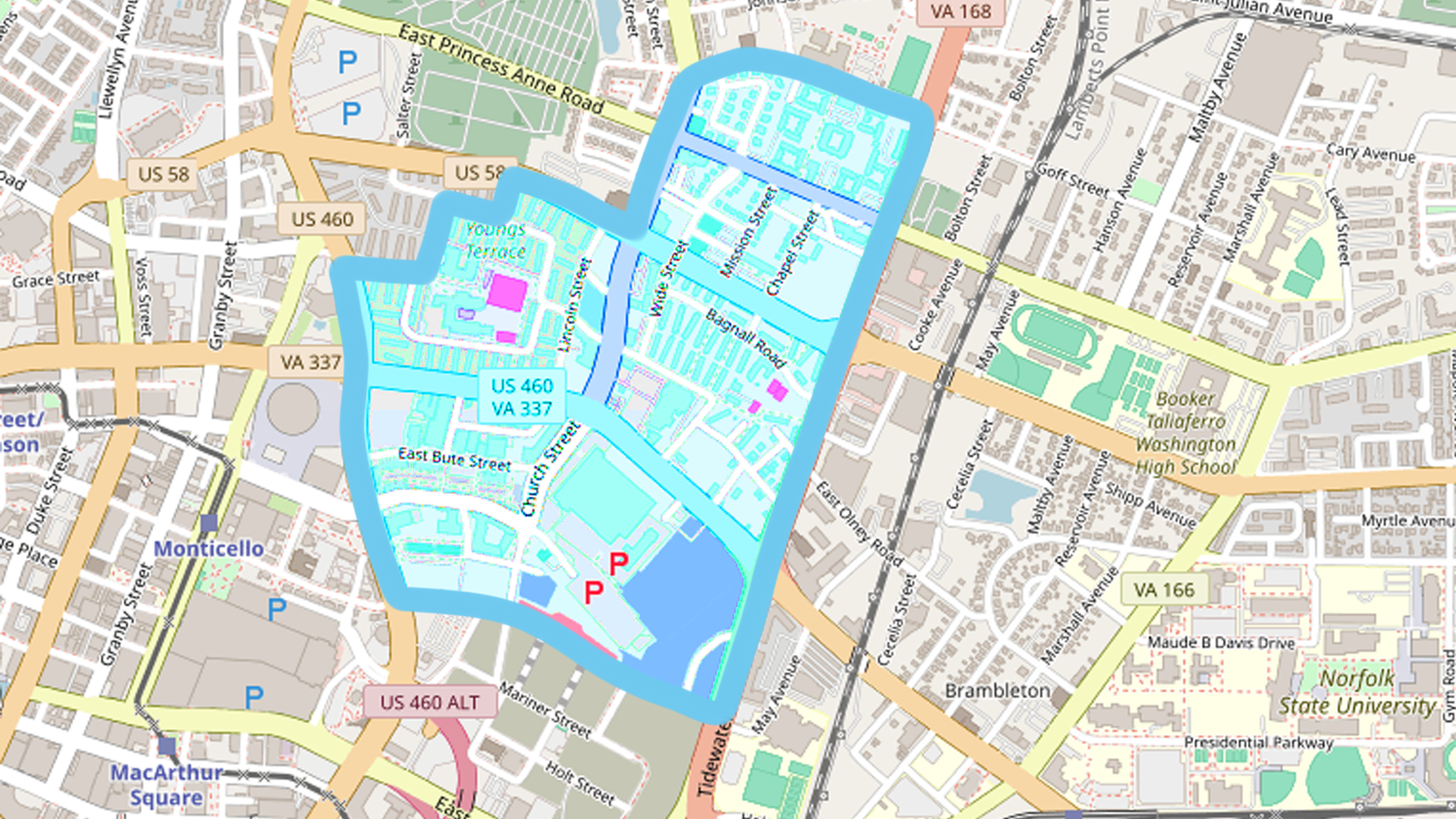
Flock Safety claims their systems have been disproven by courts to “track” people and vehicles[5], and that they do not record video, their cameras only take point-in-time images, 6-12 per second[6][7] to be specific. Flock Safety has also been promoting their Condor pan-tilt-zoom camera[8], which InvestigateTV has demonstrated recording video and tracking people; the camera pans, tilts, and zooms to follow their reporter’s movements around an area within the camera’s range[9].
Flock Safety states their services do not “track” “the whole of anyone’s movements,” that they cannot create a “pattern of life” with the data they collect. While Flock Safety does have a feature that can show the locations a vehicle has been spotted, they can claim against “tracking people” because their system does not actively track individuals[10], it only tracks vehicles, any features of the passengers are implied to be part of the “vehicle fingerprint.[11]” Their system captures images that are stored for 30 days, are searchable with terms such as “blue jacket, blonde hair,” and contain location data. As of a July 17, 2026 snapshot from Deflock(a crowdsourced Flock Camera location map) revealed 95,923 cameras across the United States, which make up 83% of all ALPR cameras[12].
The Institute for Justice, a non-profit public-interest law firm, is currently involved in a suit against Norfolk, VA for their use of Flock Cameras. Norfolk’s motion to dismiss the lawsuit was rejected by Chief Judge Davis. He wrote, “a reasonable person could believe that society’s expectations, as laid out by the Court in Carpenter [v United States], are being violated by the Norfolk Flock system….Accordingly, such ‘drag-net’ practices are considered a search.[13]” Carpenter v United States[14] ruled that “the government’s warrantless acquisition of Carpenter’s cell-site records violated his Fourth Amendment right against unlawful searches and seizure.”
The Institute for Justice’s lawsuit[15] was in response to a Norfolk partnership with Flock, the goal of which, according to Police Chief Mark Talbot, is to create “a nice curtain of technology,” making it “difficult to drive anywhere of any distance without running into a camera somewhere.[13]” As ruled by the court in Chatrie v United States[16], geofencing requests for cellular data constitute and are unlawful warrantless searches.
Truthout, an independent reporting agency, says that Flock Safety’s heat maps may also be considered geofences[17]. “Geofence” requests are when police departments ask technology companies for data from cellphones within a certain geographical boundary (a coordinate fence). Flock states they “categorically” can not track people, though their “heat map” feature lists all data from cameras tracking “vehicular fingerprints”[10][11] using captured location data from a certain time frame, and their cameras form geographical boundaries (coordinate fences).
Sources
[1] https://www.dhs.gov/science-and-technology/saver/automatic-license-plate-readers
[3] https://www.cambridgema.gov/news/2025/12/statementontheflocksafetyalprcontracttermination
[5] https://www.flocksafety.com/blog/does-flock-enable-mass-surveillance
[6] https://www.flocksafety.com/faq
[7] https://medium.com/google-developers/frame-rate-as-creative-choice-fb5755909cd9
[8] https://www.flocksafety.com/webinar/introducing-condor-live-and-recorded-video
[10] https://www.flocksafety.com/trust/data-privacy
[11] https://www.newsobserver.com/news/politics-government/article315990932.html
[12] https://roadsigns.com/blogs/resources/how-many-flock-cameras-are-there
[13] https://therecord.media/lawsuit-against-automatic-license-plate-reader-moves-forward
[14] https://www.oyez.org/cases/2017/16-402
[16] https://www.supremecourt.gov/opinions/25pdf/25-112_0am4.pdf

Leave a Reply